
float glass centre
How to Turn Off a Water Valve A Step-by-Step Guide Turning off a water valve is a crucial skill for homeowners and renters alike. Whether you are addressing a plumbing issue, conducting repairs, or preparing for a winter season, knowing how to properly shut off your water supply can save you from costly damages and ensure a safe living environment. In this guide, we will walk you through the steps to turn off your water valve effectively. Step 1 Locate the Water Valve The first step in turning off your water supply is to locate the main water valve. This valve is typically found near where the water line enters your home. Common locations include - Basement or Crawl Space If your home has a basement, the main water valve is often located there. - Outside In some houses, the water valve can be found on an exterior wall or in an underground valve box close to the street. - Near the Water Heater Sometimes, the main valve is situated near the hot water heater. Tip If you have trouble locating the valve, follow the main water line from the municipal connection into your home. Step 2 Identify the Type of Valve Water valves come in different types, and it's essential to know which type you are dealing with to proceed correctly. The most common types include - Gate Valve This type features a round handle that you turn clockwise to close the valve. - Ball Valve Look for a lever or handle. For a ball valve, you typically turn the lever 90 degrees to shut it off. - Compression Valve This valve has a round handle that you will turn clockwise to shut off the water. Step 3 Turn Off the Valve Now that you have located your valve and identified its type, it’s time to turn it off . - For Gate Valves Turn the handle clockwise until it can’t turn anymore. This may take several rotations. - For Ball Valves Turn the lever perpendicular to the pipe to shut off the valve. - For Compression Valves Turn the handle clockwise until firmly closed. how to turn off water valve Step 4 Test the Valve After turning off the valve, it is wise to check and ensure that the water supply has been effectively cut off. To do this 1. Turn on a faucet in your home, ideally one on the same level as the valve, and observe if water is still running. 2. If there is no water flow, congratulations! You have successfully turned off the water supply. Step 5 Drain the Pipes (if necessary) If you are planning a significant plumbing project or leaving your home for an extended period, it may be beneficial to drain the pipes. Here’s how to do it 1. Open the faucets in your home to allow any remaining water to escape. 2. Flush the toilets to empty the tanks. 3. You may also want to drain the water heater to prevent any issues during your absence. Step 6 Turn the Water Back On Once your repairs or maintenance tasks are complete, you will need to turn the water back on. To do this, follow the same steps in reverse 1. Locate the water valve. 2. Identify the type of valve. 3. Turn the valve counterclockwise for gate and compression valves, or switch the lever back to parallel for ball valves. 4. Turn on a faucet to let air out of the pipes and check for leaks. Conclusion Knowing how to turn off the water valve is an essential skill that can help you manage plumbing issues effectively. Whether you are handling a minor leak or shutting off the water for repairs, following these steps ensures you do it safely and efficiently. Always remember to locate the valve in advance, familiarize yourself with its type, and take the necessary precautions to protect your home from water damage. Taking these steps can empower you to handle plumbing concerns with confidence.
about
float glass centre
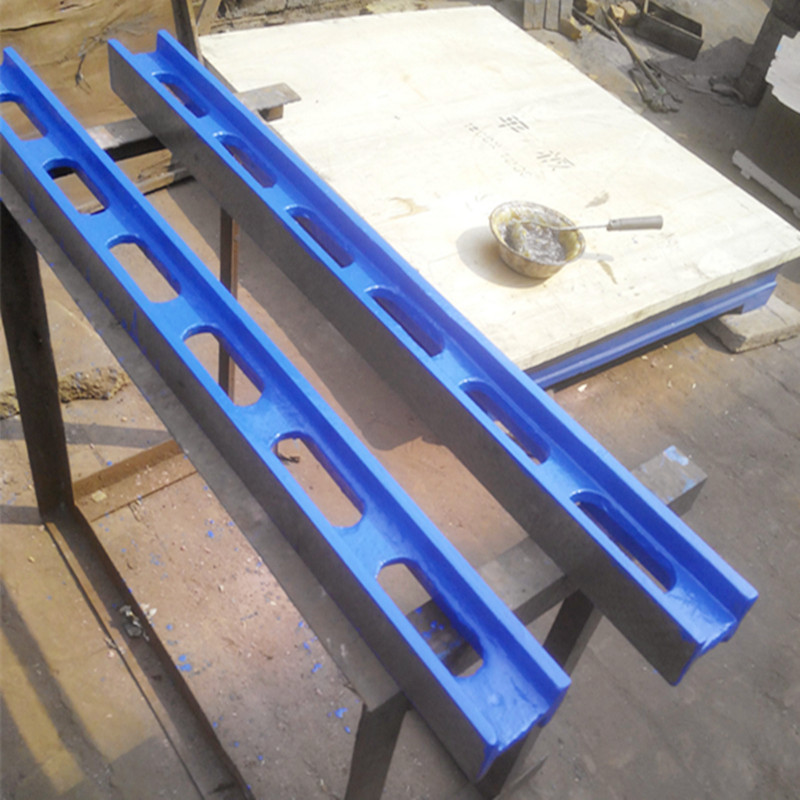
Stalowe płyty pomiarowe z żeliwa szarego Kluczowy element w precyzyjnym pomiarze W dzisiejszym przemyśle motoryzacyjnym, lotniczym i wielu innych branżach inżynieryjnych, precyzyjny pomiar jest absolutnie niezbędny. Jednym z najważniejszych narzędzi służących do osiągnięcia tej precyzji są żeliwne płyty pomiarowe z odpowiednio przygotowanymi rowkami T, które umożliwiają stabilne mocowanie różnych narzędzi, przyrządów i elementów. W artykule tym omówimy, dlaczego płyty te są tak istotne oraz jakie mają zastosowanie. Czym są płyty pomiarowe z żeliwa szarego? Płyty pomiarowe, w tym te wykonane z żeliwa szarego, to duże, płaskie powierzchnie, które są stosowane jako podstawa do pomiarów mechanicznych. Żeliwo szare jest preferowanym materiałem ze względu na swoje właściwości, takie jak wysoka stabilność wymiarowa, odporność na odkształcenia oraz doskonałe właściwości tłumiące drgania. Te cechy sprawiają, że płyty z tego materiału są idealne do precyzyjnych pomiarów, szczególnie w warunkach produkcji przemysłowej. Rowki T - zastosowanie i korzyści Jednym z kluczowych elementów tych płyt są rowki T, które są frezowane na powierzchni płyty. Rowki te służą do mocowania różnych narzędzi, takich jak większe przyrządy pomiarowe czy elementy do obróbki. Dzięki nim użytkownik może w łatwy sposób ustawić i zabezpieczyć narzędzie w odpowiedniej pozycji . Stabilność mocowania jest kluczowa, aby uniknąć błędów pomiarowych, które mogą prowadzić do wadliwych produktów lub niezgodności w procesach produkcyjnych. t slot cast iron surface plate Dzięki rowkom T, płyty pomiarowe z żeliwa szarego stają się wszechstronny narzędziem, umożliwiającym różne konfiguracje. Użytkownicy mogą łatwo dostosować położenie narzędzi, co zwiększa elastyczność i efektywność procesów pomiarowych i obróbczych. Zastosowania płyt pomiarowych z żeliwa szarego Płyty pomiarowe są wykorzystywane w różnych dziedzinach przemysłu. W warsztatach mechanicznych i zakładach produkcyjnych służą do oceniania tolerancji wymiarów, sprawdzania prostoliniowości oraz pomagają w ustawianiu maszyn i narzędzi. W laboratoriach metrologicznych płyty te są często stosowane jako baza do bardziej zaawansowanych pomiarów, w tym pomiarów kątów, wysokości czy poziomości. Dzięki swojej wytrzymałości i stabilności, płyty pomiarowe z żeliwa szarego są również wykorzystywane w przemyśle motoryzacyjnym do pomiarów części silników czy podzespołów układów napędowych. W przemyśle lotniczym z kolei, gdzie precyzja jest kluczowa, te płyty stanowią podstawę dla dalszych analiz i badań nad nowymi technologiami oraz komponentami. Podsumowanie Płyty pomiarowe z żeliwa szarego z rowkami T są niezwykle ważnym narzędziem w nowoczesnym przemyśle. Ich właściwości materiałowe oraz wszechstronność w zastosowaniach pomiarowych czynią je niezastąpionymi w wielu branżach. Zapewniając stabilność i precyzję, te płyty przyczyniają się do zachowania wysokich standardów jakości w produkcji i inżynierii. W miarę rozwoju technologii ważność tych narzędzi będzie tylko rosła, a ich zastosowania będą się rozszerzać na nowe tereny przemysłowe.
-

High quality industrial productsagement

High quality industrial products
View Details -

Meet the diverse needs of customers

Meet the diverse needs of customers
View Details -

Strict quality control

Strict quality control
View Details -

Top raw materials

Top raw materials
View Details -

Trusted supplier

Trusted supplier
View Details
Our application


news and information
water gate valve types
Water gate valves, often underrated, play a crucial role in managing water flow across various syste

Valve's Influence in the Chinese Market and Its Future Prospects
The Influence of Valve China on the Global Valve Industry In recent years, China has emerged as a ce
using bore gauge
An Essential Guide to Using Bore Gauges Bore gauges are indispensable tools in machining and manufac
 English